The most important mistakes in maintaining residential buildings
Once the units are handed over, the building enters a phase where its real quality shows. The mechanical systems, elevators, lobby, and grounds all come under the daily gaze of residents, and the way they are maintained determines how many years that quality lasts.
The problems that appear in a building after a few years are rarely the result of a sudden event. They are usually a chain of small, wrong decisions that have accumulated, year after year.
Why does reactive maintenance cost a building more?
Reactive maintenance means repairing equipment only after it fails: a cooling system gets checked when it has already stopped working, and a leak is taken seriously once it has damaged the neighboring unit. According to common estimates in the facility management industry, an emergency repair usually costs several times as much as the same service done on a periodic cycle, because collateral damage and service downtime are added on top of the repair itself.
Preventive maintenance turns this equation around. Periodic servicing and regular inspections catch a problem at a stage when it is still just a note on a checklist, not a crisis in the building.
Which parts of a building suffer the most damage from neglect?
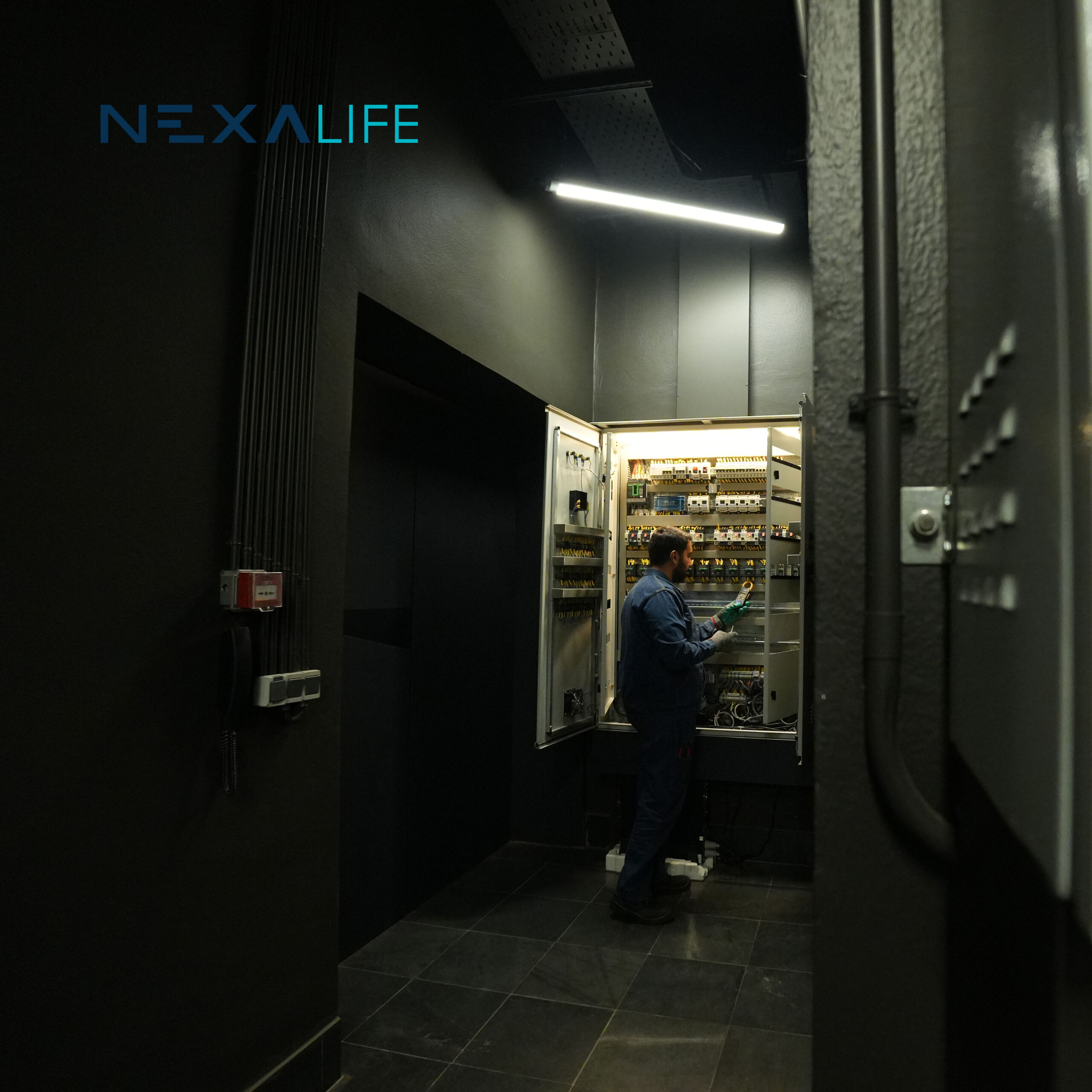
A large part of a building’s value lies in places nobody sees: pumps, electrical panels, ventilation, plumbing, safety equipment. When these are checked only at the moment of failure, their useful life gets shorter and repair costs climb.
Having a set inspection calendar for every system is one of the core foundations of sound building management: not an extra measure, but part of the routine operating plan.
What should a documented maintenance plan specify?
A complete maintenance plan should make four things clear for every piece of equipment: what is inspected, at what interval, by which team, and according to what standard. When maintenance depends only on people’s memory, some tasks get done late and others are dropped entirely.
Repair records are the backbone of this plan. A piece of equipment’s condition today gives the operations team valuable information for decisions in the months ahead: whether it should be repaired or whether it’s time to replace it.
Why is using general technical staff for every task a mistake?
Elevators, mechanical systems, electrical work, and safety systems each require their own specialized knowledge. A general technician can fix a problem temporarily, but the root cause stays untouched, and the same failure returns to the building shortly afterward.
Assigning each system to a specialist in that field lowers the chance of error and prevents improvised repairs that end up costing more later.
How do common areas affect residents' everyday experience?
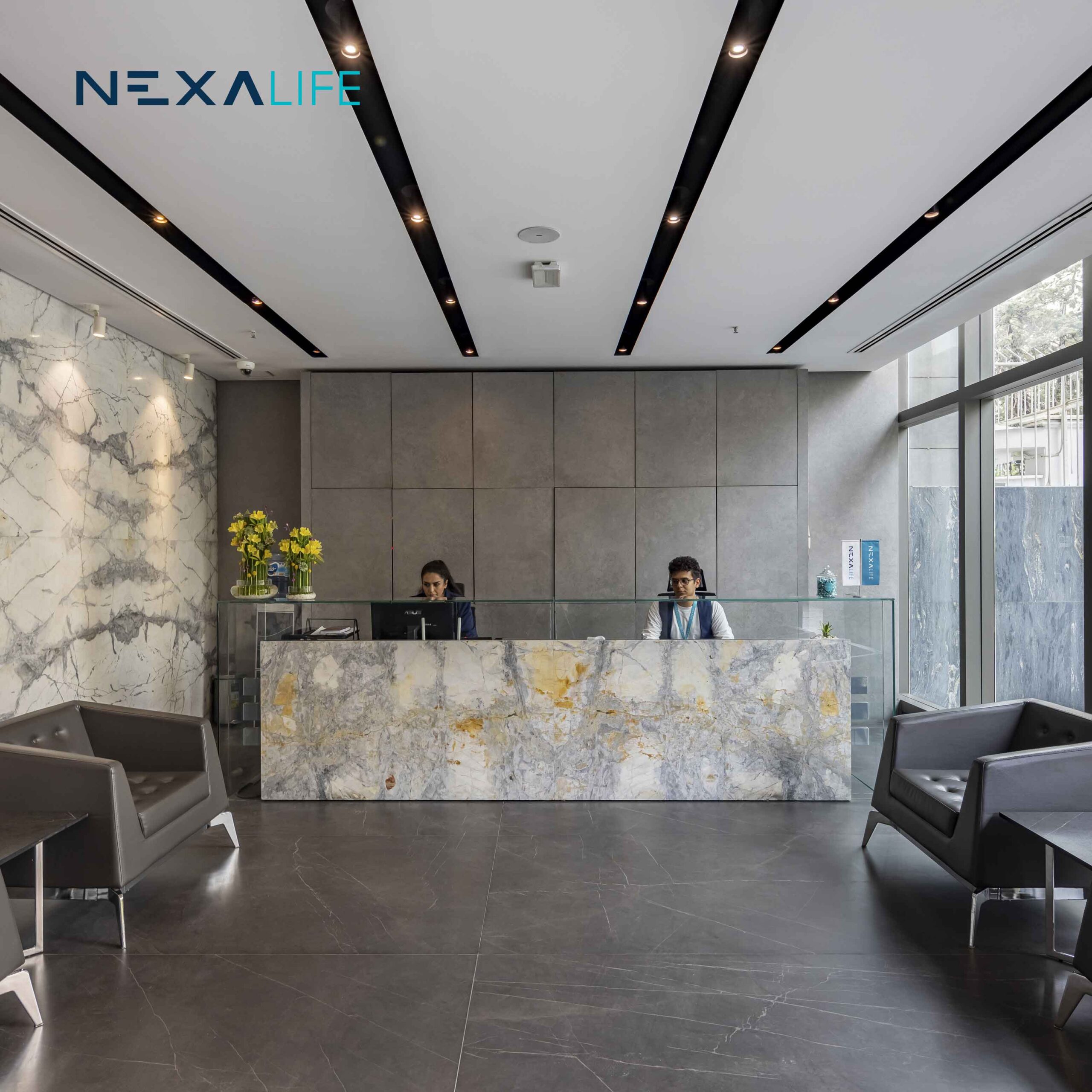
The lobby, parking, corridors, and grounds have the most contact with residents and guests. Wear in these spaces shows up in a resident’s daily experience sooner than in any other part of the building, even if the systems behind the walls are in perfect condition.
Building maintenance isn’t limited to keeping equipment in working order. Cleaning, lighting, the condition of shared furniture, and care of the landscaping are what a resident encounters every day, and they shape his or her sense of how well the building is run.
Why is documenting failures as important as the repair itself?
If it isn’t clear when a piece of equipment was installed, when it was last serviced, and what faults it has had in the past, the decision to repair or replace it becomes guesswork rather than data-driven. An archive of equipment and repair records is a tool for managing costs and anticipating the building’s future needs, not a filed-away document that nobody ever opens.
How much does residents' behavior affect the lifespan of shared equipment?
Even the best equipment has a shorter lifespan when it is used improperly. Part of building management is educating and informing residents, from respecting elevator capacity to sorting waste and quickly reporting small faults.
When a resident knows how to report a minor problem, and to whom, that problem is identified and fixed before it turns into a serious breakdown.
Is cutting maintenance costs really a saving?
Cutting maintenance costs doesn’t always mean saving money. Often a small, timely expense prevents a cost several times larger down the line. Sound building management strikes a balance between running costs, the useful life of equipment, and replacement costs, and that balance turns maintenance from a compulsory expense into part of managing the building’s value.
Build quality is the starting point of the journey. Maintenance quality determines how far that quality carries.
Conclusion
Building maintenance isn’t a collection of scattered, reactive repairs; it is a continuous process for preserving a building’s performance, safety, and value. When inspections are planned, equipment records are kept, each system is entrusted to its own specialist, and residents take part in upkeep, many of the heavy costs can be prevented before they arise. A building that is properly maintained doesn’t just wear out later; it keeps a better living experience going for more years.