How does luxury building management differ from that of ordinary buildings?
Building management may look, at first glance, like a set of routine activities: cleaning, maintaining the utilities, controlling access, and handling residents’ requests. In luxury buildings, however, professional management has a much wider scope and directly affects residents’ quality of life, the preservation of property value, and the experience of being in the building.
In such buildings, amenities and architectural design alone don’t determine quality. What shapes residents’ final experience is how the building is operated, the quality of its services, attention to detail, and coordination among the different teams.
What is luxury building management?
Luxury building management, or Luxury Building Management, refers to a set of specialized processes and services aimed at preserving the building’s quality, managing its amenities with precision, and providing residents with a good living experience.
In this model, building management moves away from being a purely executive activity and becomes an integrated system for operations, maintenance, services, and communication with residents.
A building may qualify as luxury in terms of architecture, materials, amenities, and location, but without professional building management, the quality of these features won’t be preserved over time.
What is the difference between luxury building management and that of ordinary buildings?
The main difference can be seen in the level of standards, the degree of detail, and the kind of experience designed for residents.
1. Focus on the residents' experience
In ordinary buildings, management often steps in only after a problem has arisen. For example, a system failure or a resident’s request needs to be followed up.
In professional luxury building management, the approach is more preventive. The operations team tries to identify and handle the needs of the building and its residents before they turn into problems.
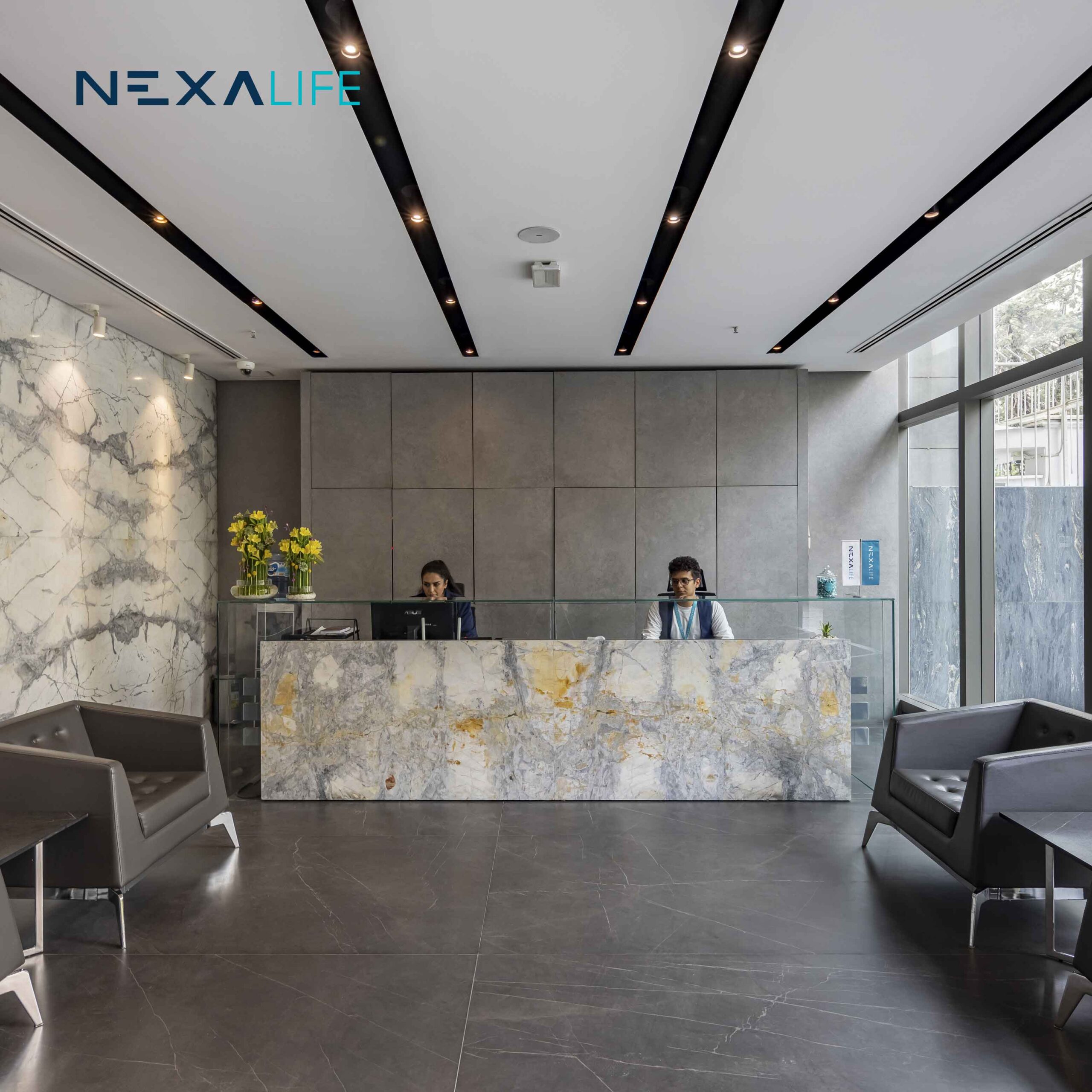
From how people enter the building and how the reception team treats them, to the condition of the public spaces, the response to requests, and the handling of day-to-day matters, all of these touchpoints are part of the residents’ experience.
2. Preventive and regular maintenance
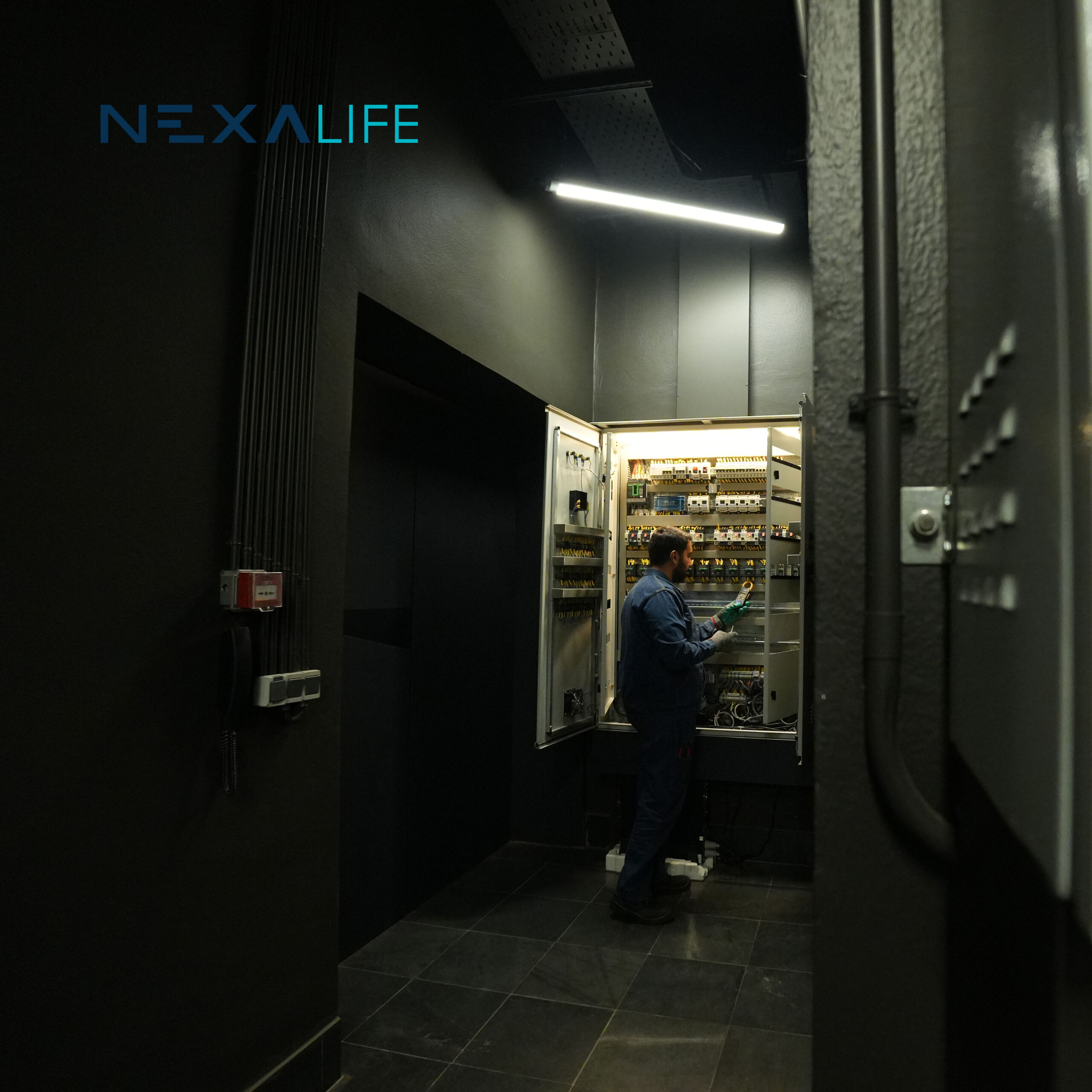
In a well-equipped building there are many systems: mechanical and electrical utilities, security systems, elevators, heating and cooling equipment, and residential amenities.
Luxury building management can’t leave the upkeep of this equipment until the moment something breaks. Preventive Maintenance programs make it possible to check equipment performance regularly, identify repair needs earlier, and avoid disruptions that could have been prevented.
Besides preserving the building’s operating quality, this approach also helps extend the useful life of the equipment and keep maintenance costs under control.
3. A higher standard in general services
In luxury buildings, public spaces are an important part of the living experience. The lobby, elevators, corridors, parking, green spaces, multipurpose halls, and other amenities must always be kept in good operating condition.
Services such as cleaning, landscaping, access control, and upkeep of shared areas therefore call for a defined plan, trained staff, and continuous supervision.
The quality of these services becomes most visible when residents can use the building without having to get involved in the operational details.
4. Services tailored to residents' needs
One of the important differences in luxury building management is attention to residents’ varying needs.
In these buildings, services such as coordinating requests, receiving guests, managing events, booking shared spaces, cleaning services, and other amenities may be offered.
In such a model, the goal isn’t merely to complete a specific task; the effort is to make the building’s services available to the resident in a cohesive way.
At NEXALIFE, this approach is defined as Life Assistant services: services that manage part of residents’ day-to-day affairs so that living in the building becomes simpler and more orderly.
5. Professional management of building staff
A building’s quality doesn’t depend on its equipment and amenities alone. The team responsible for operating the building has a direct role in residents’ experience.
Luxury building management requires staff who are trained for specific duties and who follow the same behavioral and operational standards.
From the reception and security team to service, utilities, and building management staff, coordination among team members matters a great deal. Clear job descriptions, ongoing training, performance monitoring, and effective communication between units are part of professional building management.
6. Prompt and structured handling of requests
In a building with many residents and numerous amenities, requests can range from simple everyday matters to specialized utilities issues.
Professional building management should be able to log these requests, prioritize them, refer them to the responsible unit, and follow them up until they are resolved.
This process makes communication between residents and the operations team more transparent, so issues are handled without the need for repeated follow-ups.
7. Preserving the building's value over time
A luxury building is a long-term asset, and its quality shouldn’t be defined only at the time of project handover.
Proper upkeep of the facade, utilities, public spaces, equipment, and amenities can help preserve the quality and value of the asset over the years of operation.
For this reason, building management is considered part of a property’s life cycle: a stage that begins after construction and handover and continues in order to preserve the building’s quality.
8. Managing energy and resource consumption
In large, well-equipped buildings, energy management becomes more important. Heating and cooling systems, lighting, elevators, and other equipment can account for a significant share of operating costs.
Professional building management can support more efficient use of resources by monitoring equipment, planning periodic servicing, and controlling how amenities are used.
The goal here isn’t only to cut costs; it’s to keep the building performing well while using resources responsibly.
Luxury building management: a blend of operations and living experience
The difference between a luxury building and an ordinary one isn’t only a matter of floor area, design, materials, or the number of amenities. Part of that difference takes shape over the years of operation, in the experience residents encounter every day.
Professional building management has to create coordination among technical maintenance, services, security, cleaning, staff management, communication with residents, and amenities.
At NexaLife, building operations are shaped with this whole picture in mind: the building is not managed merely as a structure, but the experience of living in it is also part of the operations process.
From this perspective, luxury building management becomes meaningful when the quality of the building’s design and amenities is preserved throughout all the years of operation, and residents can confidently entrust much of the building’s day-to-day affairs to the management team.