What do building management services include?
Building management is a world of coordination and daily attention. Every building is a living collection of spaces, systems, and people; a building-organism that needs continuous care to flourish.
The larger the building and the more varied its amenities, the more prominent this coordination becomes. Maintaining the utilities, monitoring equipment performance, cleaning the common areas, directing staff, handling residents’ requests, and planning repairs are all part of professional management.
But what exactly do these services cover?
What is building management?
Building management is the set of actions that maintain, upkeep, and improve a building’s performance and provide suitable conditions for living.
Professional management works preventively above all. Continuous monitoring of equipment and careful planning form the basis of this approach. A professional building manager is both in command of the operational side and coordinates between the needs of the building, its residents, service staff, and contractors.
What are the building management services?
Maintenance and repairs form the main pillar of management.
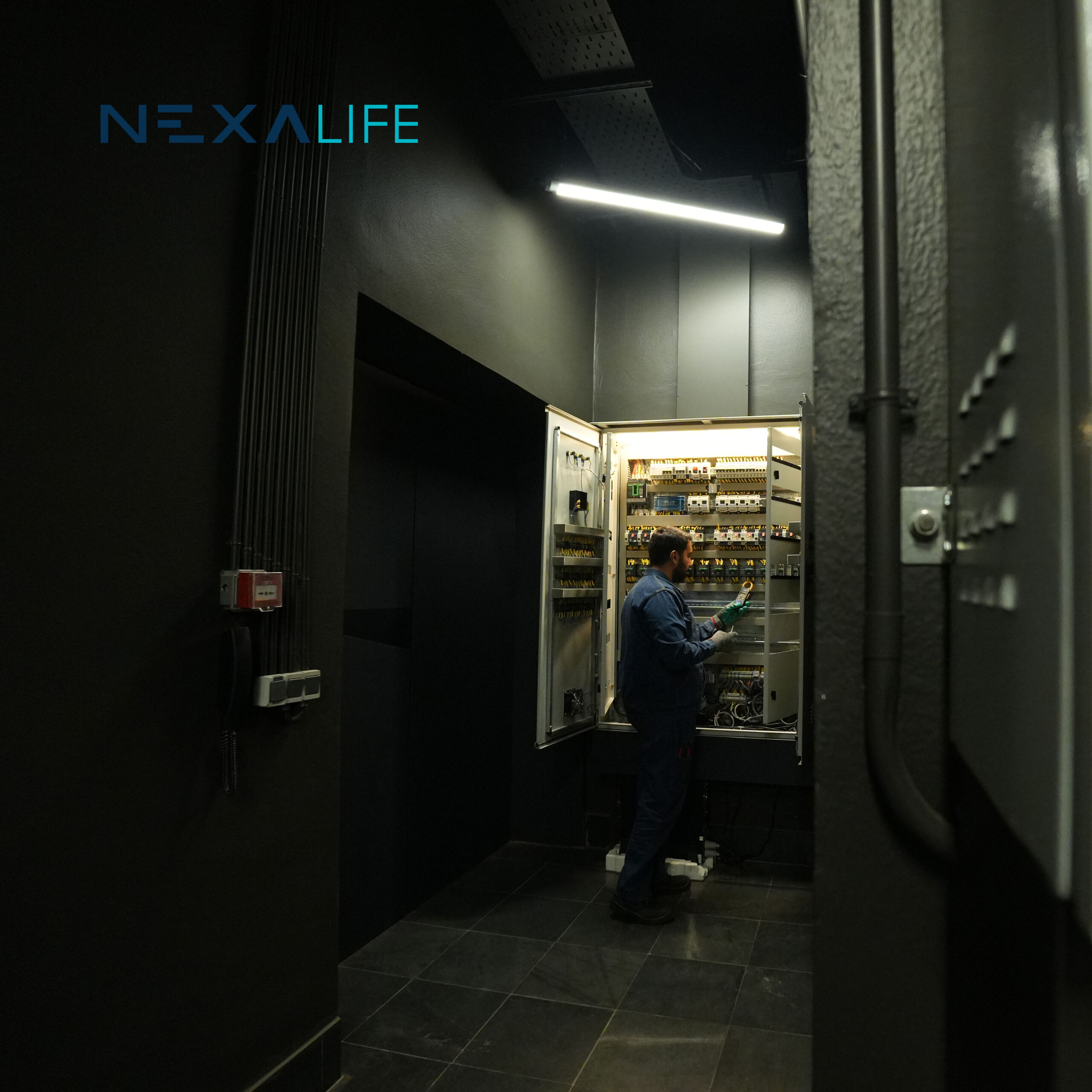
Elevators, pumps, heating and cooling systems, electricity, and water are inspected periodically to reduce the likelihood of disruptions and unexpected costs.
Regular inspections and accurate records of equipment condition identify needs before they turn into serious problems. It is this preventive discipline that sets professional management apart.
Common areas are managed according to a defined plan.
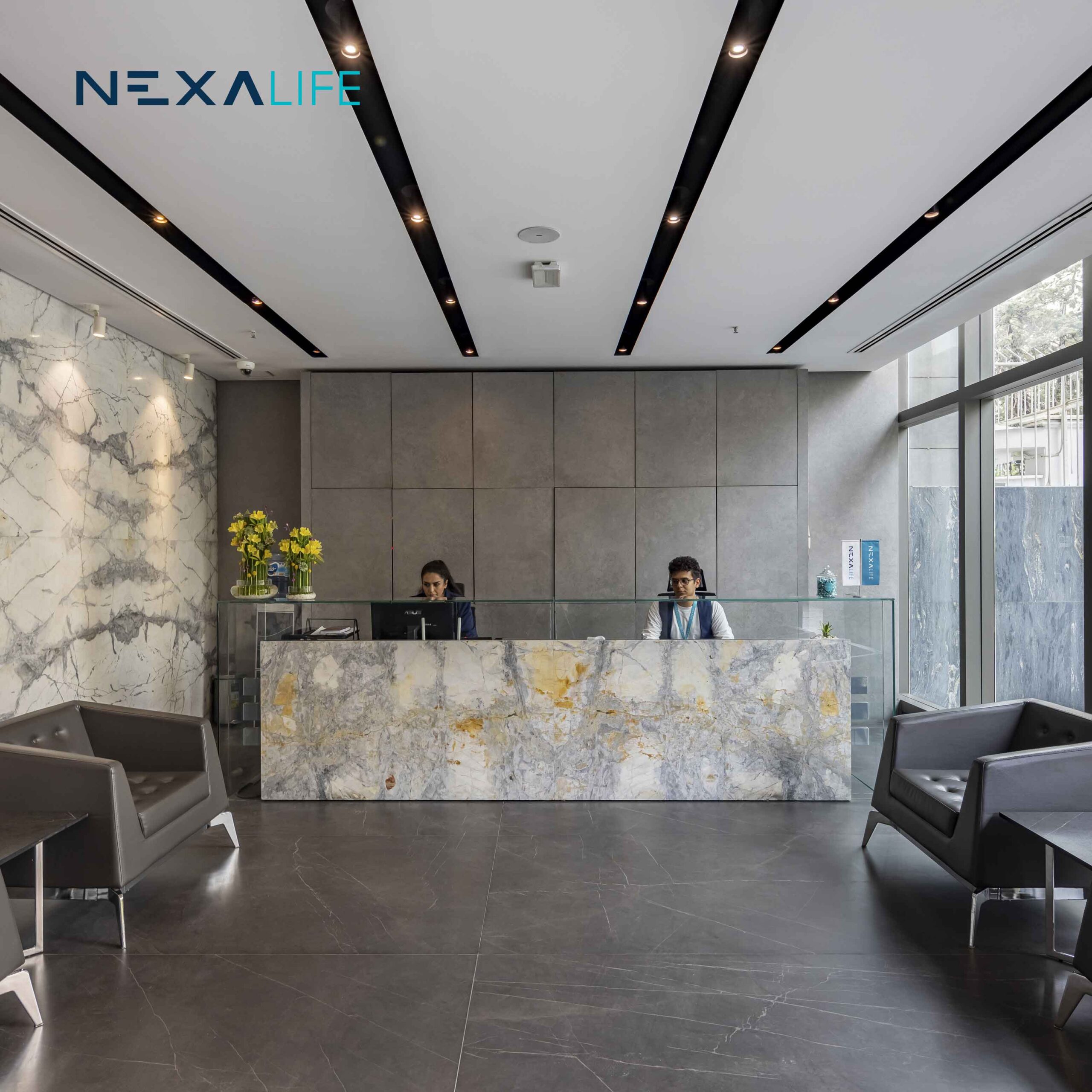
The lobby, hallways, parking, grounds, rooftop, pool, and gym are a living part of the experience of residence.
Cleaning, equipment checks, and oversight of how these spaces are used follow a defined schedule. In buildings with varied amenities, this planning becomes more delicate, from controlling capacity and hours of use to checking the condition of equipment after each use.
Cleaning creates a uniform standard across the entire building.
The lobby, elevators, parking, and grounds all follow a regular cleaning schedule with quality control.
Setting staff work schedules, monitoring their performance, and paying special attention to spots that need extra care make the quality of cleaning independent of any one particular staff member. The result is a stable standard across the whole building.
Building staff are coordinated through a precise division of duties.
The building superintendent, service staff, security guard, and technicians each carry a part of the complex’s operation.
Building management defines these people’s duties, monitors their performance, and creates coordination between the different activities. In large complexes, it is this precise division of duties that builds the quality of service, not merely the number of staff.
Utilities and equipment are continuously monitored.
A building’s utilities account for a significant share of its maintenance costs and risks.
Periodic inspections, records of repairs, monitoring of system performance, and planning for periodic servicing extend the useful life of the equipment. The condition of the utilities stays under control before any serious problem arises; this is a sign of dependable management.
Costs are managed with full transparency.
Financial planning is the backbone of building management.
Monthly service charges, maintenance and repair costs, and contractor services and agreements are recorded and managed with complete transparency. Residents always have a clear picture of where the money is going and what the future financial plans are.
Communication with residents follows a defined path.
Logging and following up on requests, announcing repairs or temporary restrictions, and a clear channel for talking with management make the experience of living in the building smoother.
The quality of management, alongside the technical condition of the building, takes shape in these everyday interactions. For a family heading out early in the morning or a child playing in the parking lot, it is this quick responsiveness that creates peace of mind.
Long-term maintenance is planned starting today.
A well-managed building has plans for tomorrow too.
Equipment and the various parts of a building have a defined lifespan and, at certain points, need repair, renovation, or replacement. Professional management identifies these needs early and plans for them. This outlook turns hasty decisions and heavy costs into considered, planned ones.
Why does professional management matter?
Professional management always keeps an eye on the building’s condition before problems arise.
A building is a valuable, long-term asset. Careful maintenance preserves the quality of its equipment and the value of its common areas over time. Building management is an inseparable part of the process of preserving the value of a premium asset over the long term.
What is distinctive about building management services at NexaLife?
NexaLife approaches building management with the whole living experience in mind. Its services range from maintaining and operating the utilities to managing common areas, general services, and attending to residents’ needs.
After handover, the building will receive the same care that went into its design and construction.
Get to know NexaLife’s services, and contact the NexaLife team to review your building’s needs.