What is building management, and what role does it play in preserving property value?
When a building is handed over, everything about it is usually judged by its exterior, the facade materials, or the quality of the structural work. But the point where the property’s real fate is decided lies elsewhere: the day the building’s lights come on and the first resident moves in. From that day on, what keeps the building alive is no longer the architecture or the structure, but how it is run day to day.
A residential tower with an expensive glass facade will lose its original appeal within a few years if its ventilation system isn’t serviced or its elevators are repaired later than they should be. We examine the reason for this decline in the article Why Do Some Buildings Look Worn Out After a Few Years?. This is exactly where building operations comes in.
What does building operations mean?
Building operations refers to the set of activities that begins the moment a project is handed over and manages the performance of the building, its equipment, and its services over time. This includes planning periodic servicing, monitoring how the utilities perform, coordinating contractors, and attending to residents’ day-to-day needs.
The key point here is that operations is not just a reaction to breakdowns. A good operations team has the service schedule laid out in advance, before the mechanical room fails or the stairwell floors wear out.
What is the difference between building operations and building maintenance?
Many people treat these two as the same thing, but building maintenance is only one part of operations. Maintenance means replacing a boiler filter, servicing an elevator, or fixing a leaking pipe; in effect, it answers the question of how equipment stays in good working order.
Operations covers a wider circle: controlling running costs, managing contractor agreements, planning for high-demand seasons like summer, and even how to respond to a resident who reports a power outage in the middle of the night. Maintenance is a technical subfield; operations is a management system. For a fuller picture of this system, you can also see the article What Is Building Management?.
Why does building operations affect property value?
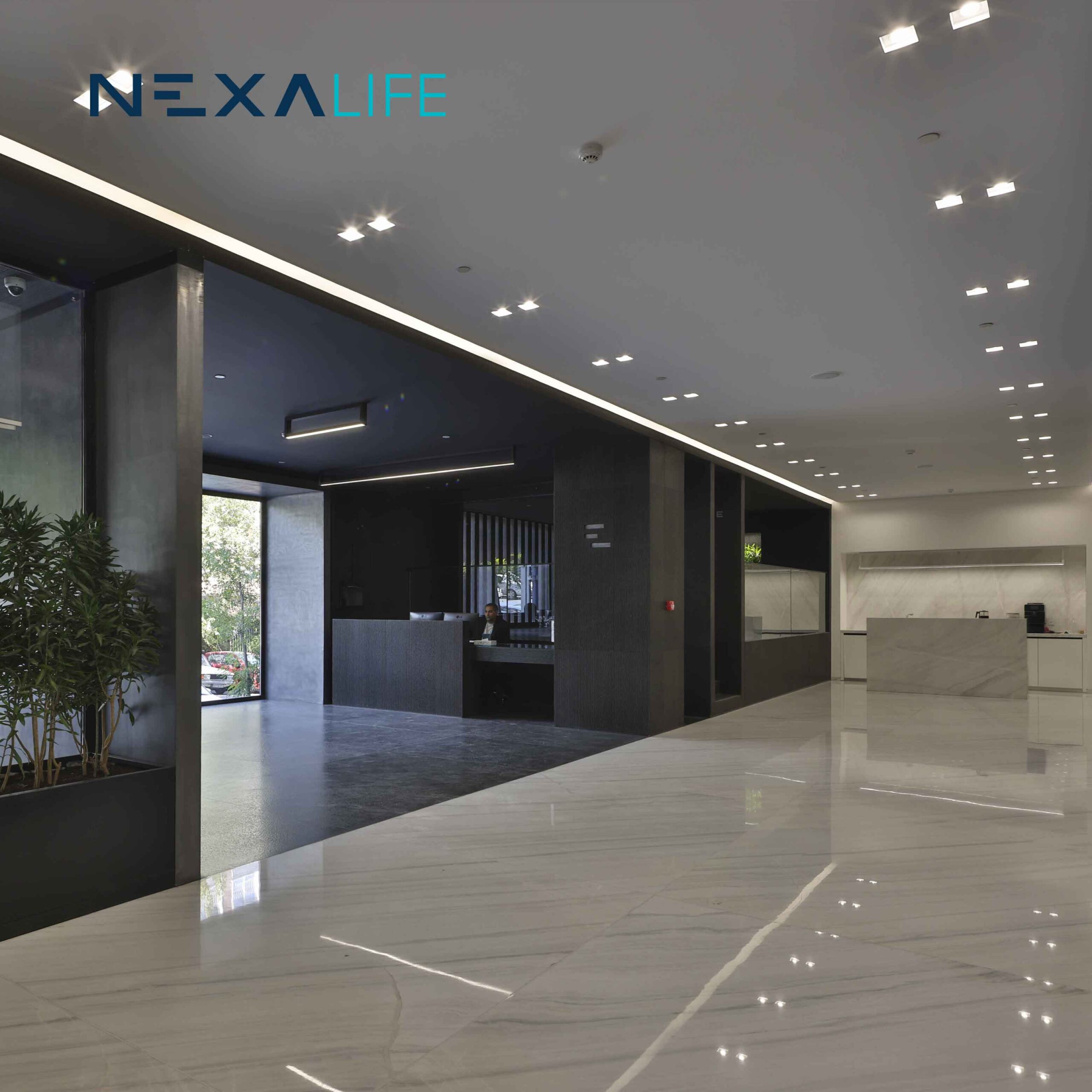
Imagine two similar towers built in the same area, with the same floor area and the same initial build quality. Five years later, the tower that had a regular operations program still has quiet elevators, a clean lobby, and a mechanical room that breaks down less often. The other tower, without this management, is dealing with emergency repairs, unexpected costs, and unhappy residents. In practice, the difference in the sale or rental price of units in the two towers is the difference in the quality of operations.
Beyond price, safety is directly tied to this as well. A fire suppression system or emergency stairwells only work if they are tested and serviced regularly, not just on the day the building opens.
What services does building operations include?
The scope of services varies by building type, but it usually includes the following:
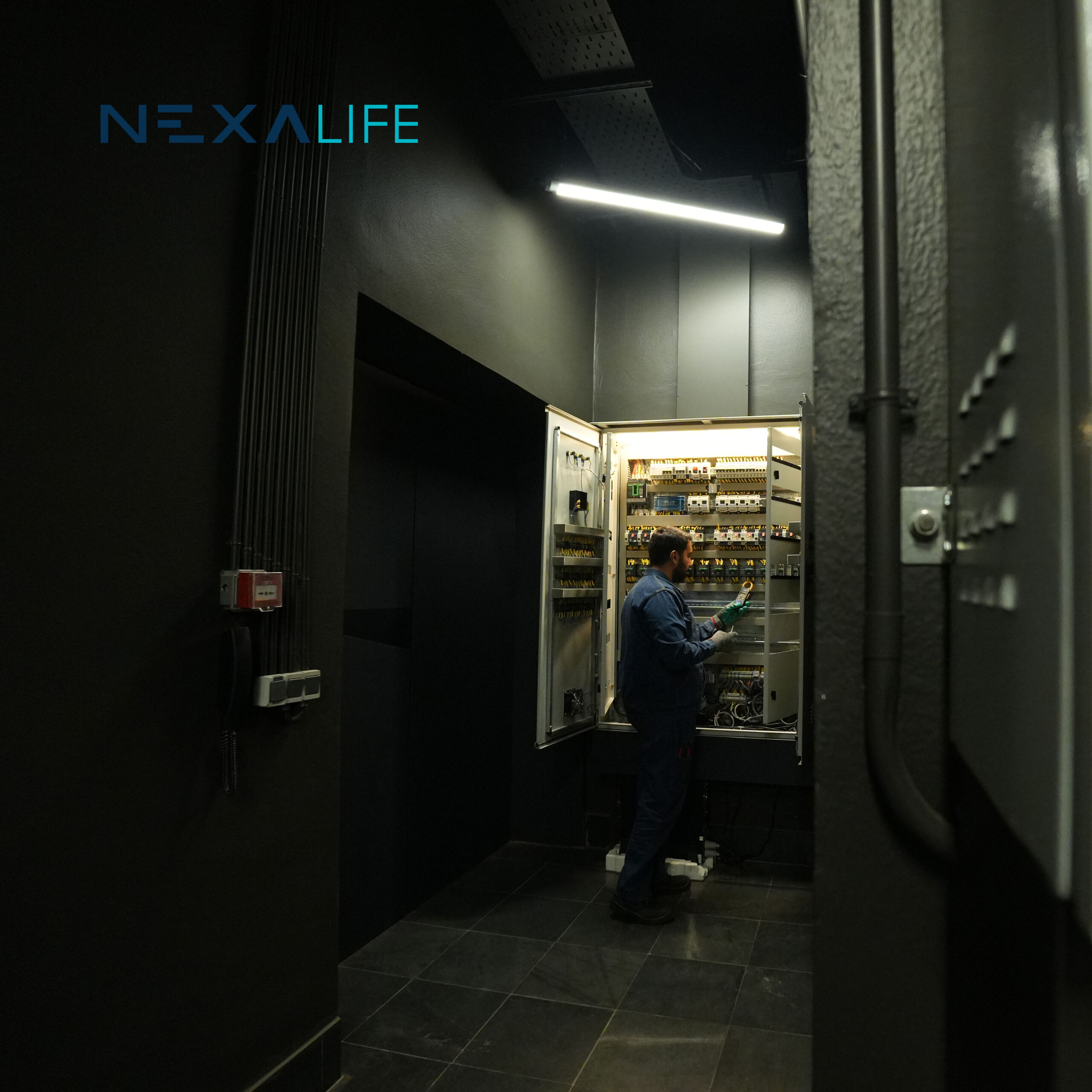
- Managing and servicing mechanical and electrical systems, from the mechanical room to the elevators
- Planning and carrying out periodic servicing before breakdowns occur
- Cleaning and managing common areas and landscaping
- Monitoring safety and fire protection systems
- Coordinating contractors and controlling the quality of their services
- Handling residents’ requests and complaints
- Managing energy consumption and reducing the building’s running costs
NexaLife's approach to building operations
At NexaLife, we don’t see operations as a service separate from construction, but as its natural continuation. The team that takes over a luxury project should carry the same standard applied in design and execution into the building’s daily running.
This means planning preventive servicing before the hot or cold season, continuously monitoring how the utilities perform instead of waiting for a breakdown report, and responding quickly to residents who expect the same quality they saw when they bought or rented their unit. We explain the role of this smart maintenance in building productivity further in the article “Building Productivity and the Role of Smart Maintenance.”
If the decision is between handing this work to a specialized team or having residents run it in-house, the article “Outsourcing or In-House Building Maintenance?” can help you decide.
From the day the keys are handed over, a building enters a phase in which every day affects the property’s final value. Proper operations is what preserves that value, not just for the first few months, but across the building’s whole life.
Why does building management help preserve property value?
For many people, a property’s value comes down to factors like its location, build quality, or amenities. These factors matter a great deal, but they’re only part of the picture. A building that isn’t properly maintained after handover gradually loses its quality, and that loss directly affects its market value.
Building management is the link between build quality and quality over time. If that link fails, even the best projects will face rising repair costs, worn-out equipment, and declining resident satisfaction in the years that follow.
Below, we look at the main reasons professional management helps preserve, and even increase, a building’s value.
Conclusion
Building operations is the continuation of building construction. A building that is run after handover with careful planning, regular maintenance, and professional management keeps its quality over time and gives residents a better experience. This approach contributes to better performance of the utilities, optimal use of the facilities, preservation of property value, and a higher quality of life in the building.
For this reason, operations can be considered one of the most important parts of a building’s life cycle: the part that turns the quality of design and execution into a lasting experience in residents’ daily lives.