Why Do Some Buildings Look Run-Down After a Few Years? What Is the Secret to Maintaining Building Quality?
No building becomes run-down overnight.
The decline in a building’s quality usually begins gradually, continuously, and almost imperceptibly. It starts with small decisions, delayed maintenance, equipment that is operated without a proper maintenance plan, and processes that gradually lose their effectiveness after the building is handed over.
On the surface, the building may still look the same, but the experience of living in it has changed. Common areas no longer have the same feel they once did, some equipment begins to malfunction, and maintenance costs can increase unexpectedly.
By contrast, some buildings remain organized, reliable, and high-quality even as the years go by.
Where does this difference come from?
The answer lies in the building’s operations and management journey.
Does Building Deterioration Depend Solely on Its Age?
A common perception is that building deterioration is a natural consequence of aging. In reality, the picture is more complex.
Two buildings of the same age can be in completely different conditions. One may experience signs of functional deterioration, while the other continues to maintain its quality.
Deterioration is not limited to a building’s appearance; it also includes performance, user experience, service quality, and the condition of its equipment.
In many cases, what is perceived as an “aging building” is actually the result of unsystematic management and maintenance.
What Are the First Signs of Declining Building Quality?
The decline in quality usually begins in areas that receive less attention but have the greatest impact.
1. Building Systems and Equipment
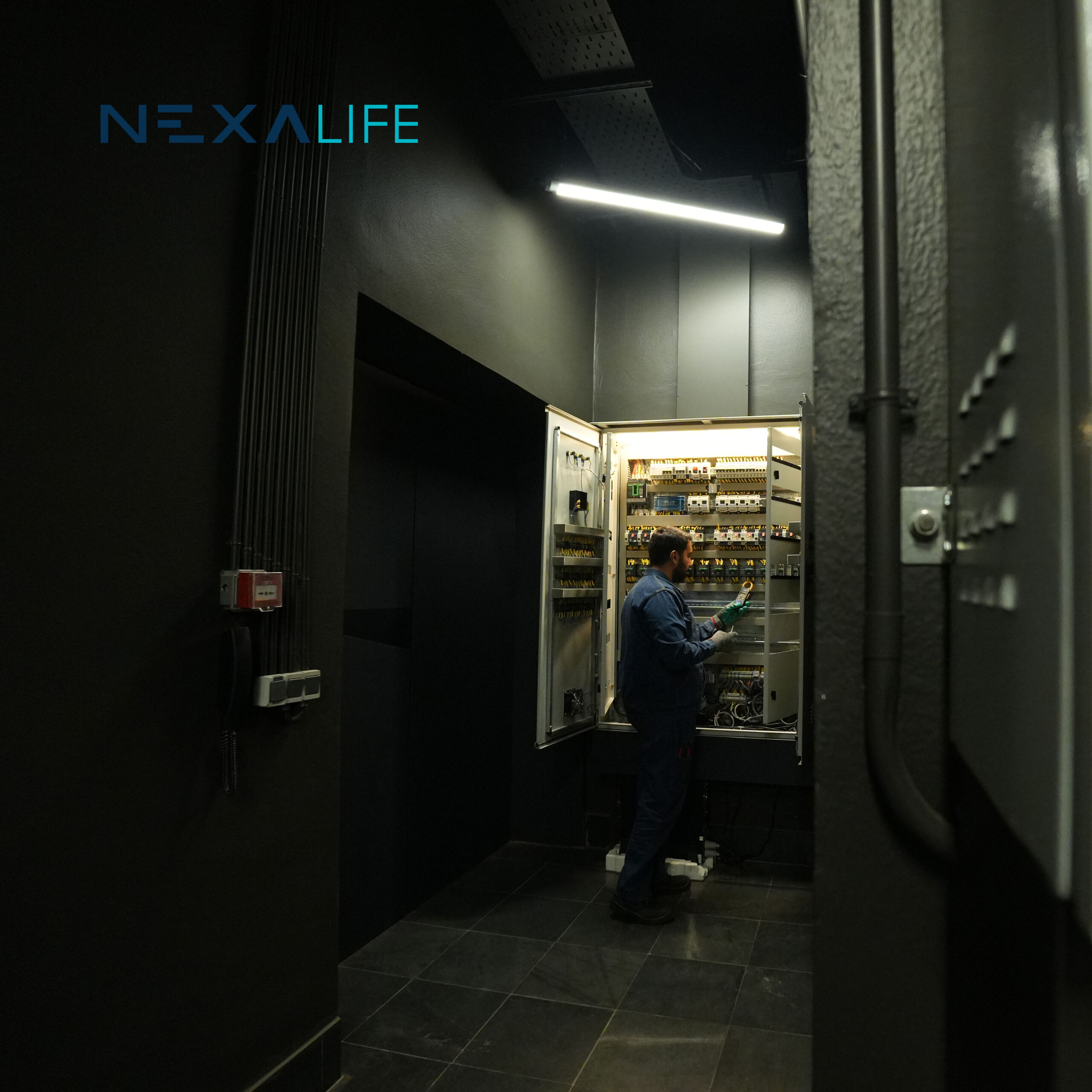
Mechanical and electrical systems are among the first areas to become vulnerable when preventive maintenance is neglected. Reduced efficiency, more frequent unexpected breakdowns, and unpredictable costs often begin here.
2. Common Areas
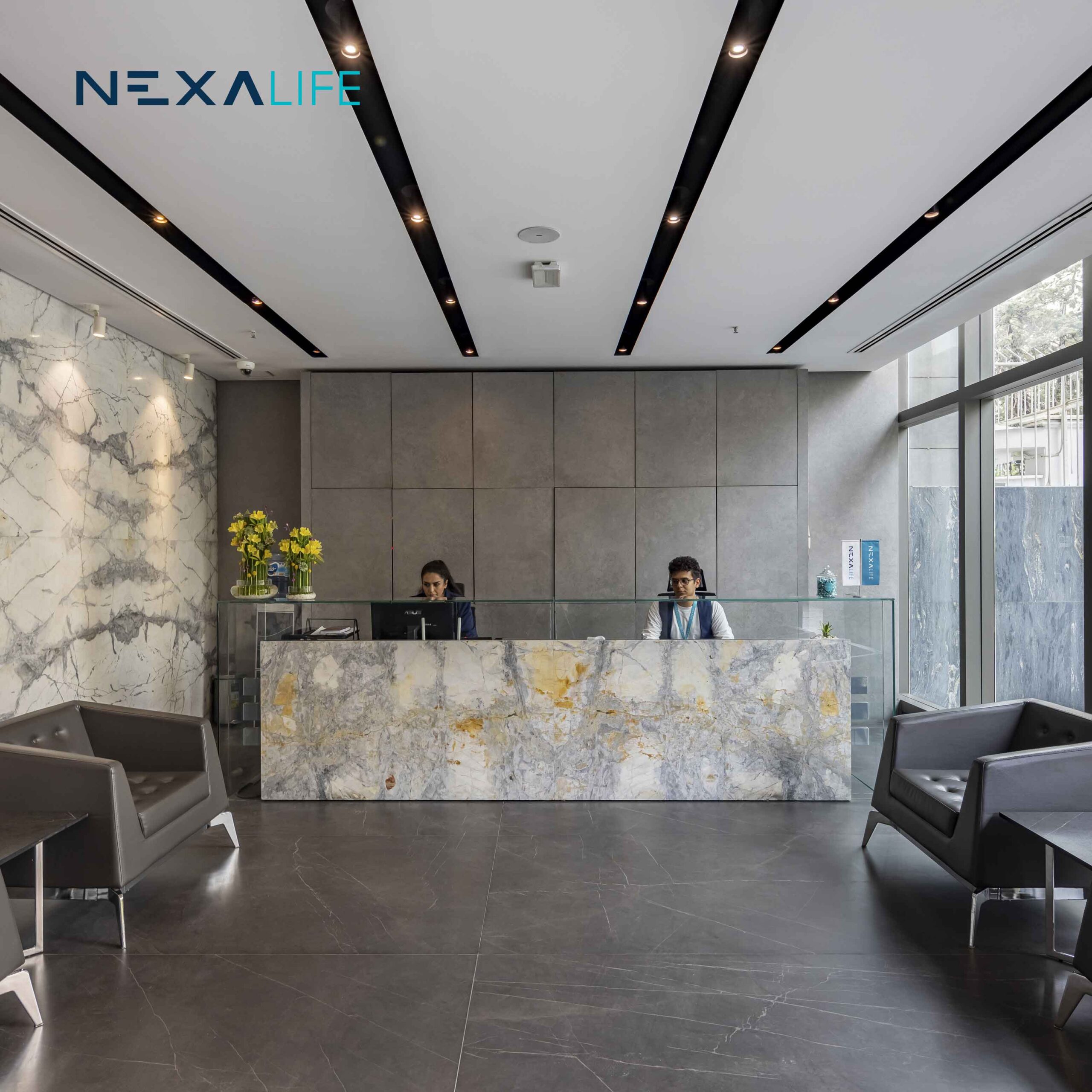
Lobbies, corridors, and shared spaces play an important role in residents’ experience. A decline in cleanliness or upkeep in these areas can quickly affect the overall perception of the building.
3. Daily Services
Cleaning, security, access management, and service responsiveness are often less visible but highly influential elements. A decline in the quality of these services directly affects residents’ perception.
4. Hidden Costs
Costs that appear unexpectedly are often the result of years of inadequate and irregular maintenance.

Why Do Some Buildings Retain Their Value?
Buildings that maintain their quality over time share one common characteristic: continuous and structured management.
In these buildings, maintenance is not a reactive activity; it is part of a regular and well-organized plan.
Key factors include:
Regular maintenance planning
Preventive equipment maintenance
Continuous monitoring of building systems
Data-driven and priority-based cost management
Attention to residents’ experience in common areas
Together, these factors help prevent gradual deterioration from taking hold.
How Does Building Management Prevent Deterioration?
Building management is not simply about responding to day-to-day problems.
From a professional perspective, building management involves a set of processes designed to preserve the value of an asset over time.
Preventive Maintenance
Rather than waiting for equipment to fail, systems are inspected and serviced at scheduled intervals. This approach helps prevent costly breakdowns.
Building Operations Management
Coordination between services, building systems, and common areas helps maintain consistent building performance.
Cost Control
Maintenance costs can be reduced when decisions are based on data and planning rather than short-term reactions.
Resident Experience Management
A building is more than a structure; it is a living environment. The quality of services directly affects the user experience.
Costs That Surface Later
One of the main reasons for declining building quality is costs that become apparent only later.
The failure of a piece of equipment is not simply a repair expense.
It can trigger a series of consequences:
Increased pressure on other equipment
Reduced overall building efficiency
Disruption to the resident experience
Higher future maintenance costs
Decline in asset value
In fact, many of the most significant costs associated with a building do not appear on invoices; they are reflected in the quality of the building’s performance.
What Common Characteristics Do Long-Lasting Buildings Share?
Buildings that maintain their quality over time generally follow a common approach:
Consistent and professional management
Treating maintenance as an ongoing process
Implementing long-term plans
Recording and analyzing performance data
Focusing on residents’ experience
In these buildings, time contributes to maintaining quality rather than accelerating deterioration.
NexaLife’s Role in Preserving Building Quality
With a focus on the operations and management of residential and commercial buildings, NexaLife aims to make quality of life within buildings a sustainable and ongoing process.
From this perspective, a building enters an even more important stage after handover—a stage in which its true quality takes shape.
Structured management, planned maintenance, and attention to residents’ experience are the three core pillars of this approach.
Conclusion
Buildings do not deteriorate on their own.
What we perceive as deterioration is the result of a combination of decisions, processes, and the level of attention a building receives over time.
Building management, structured operations, and preventive maintenance can shape a building’s long-term trajectory, helping preserve its quality and value over time.
Frequently Asked Questions (FAQ)
What is building management?
Building management is a set of activities focused on maintenance, operations, and preserving the building’s performance and quality over time.
What does building operations mean?
Building operations involve managing daily services, building systems, and common areas to maintain consistent building performance.
Why do some buildings deteriorate faster than others?
Due to the lack of regular maintenance programs, short-term decision-making, and insufficient preventive care for equipment.
What is preventive maintenance?
It is an approach in which equipment is regularly inspected and serviced before failures occur.
How can a building’s value be preserved?
Through professional management, regular maintenance, and continuous quality control of building services.
Is good design enough to ensure a building’s long-term quality?
Design is important, but without proper management and operations, a building’s quality can decline over time.