Outsourcing or In-House Building Maintenance? (A Guide for Building Managers)
As residential and commercial buildings become increasingly complex, building maintenance and operations are no longer limited to routine day-to-day tasks. The performance of building systems, service quality, cost management, and resident satisfaction are all closely connected to the way a building is managed.
In today’s buildings, particularly residential and commercial towers and complexes, building managers face an important decision:
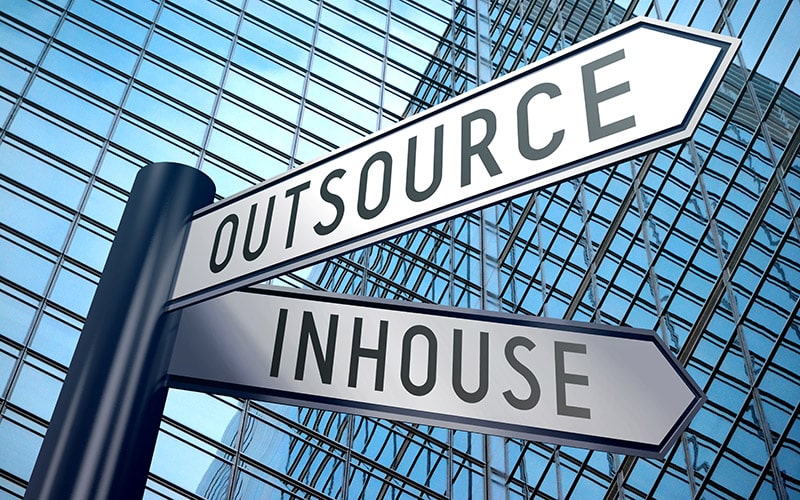
Should maintenance be managed in-house or outsourced to specialized companies?
In recent years, as building systems have become more complex and resident expectations have increased, building management has gradually moved away from traditional approaches toward more specialized, structured, and flexible models. These approaches aim to strike a balance between control, service quality, and operational efficiency.
What Is Building Maintenance and Why Is It Important?
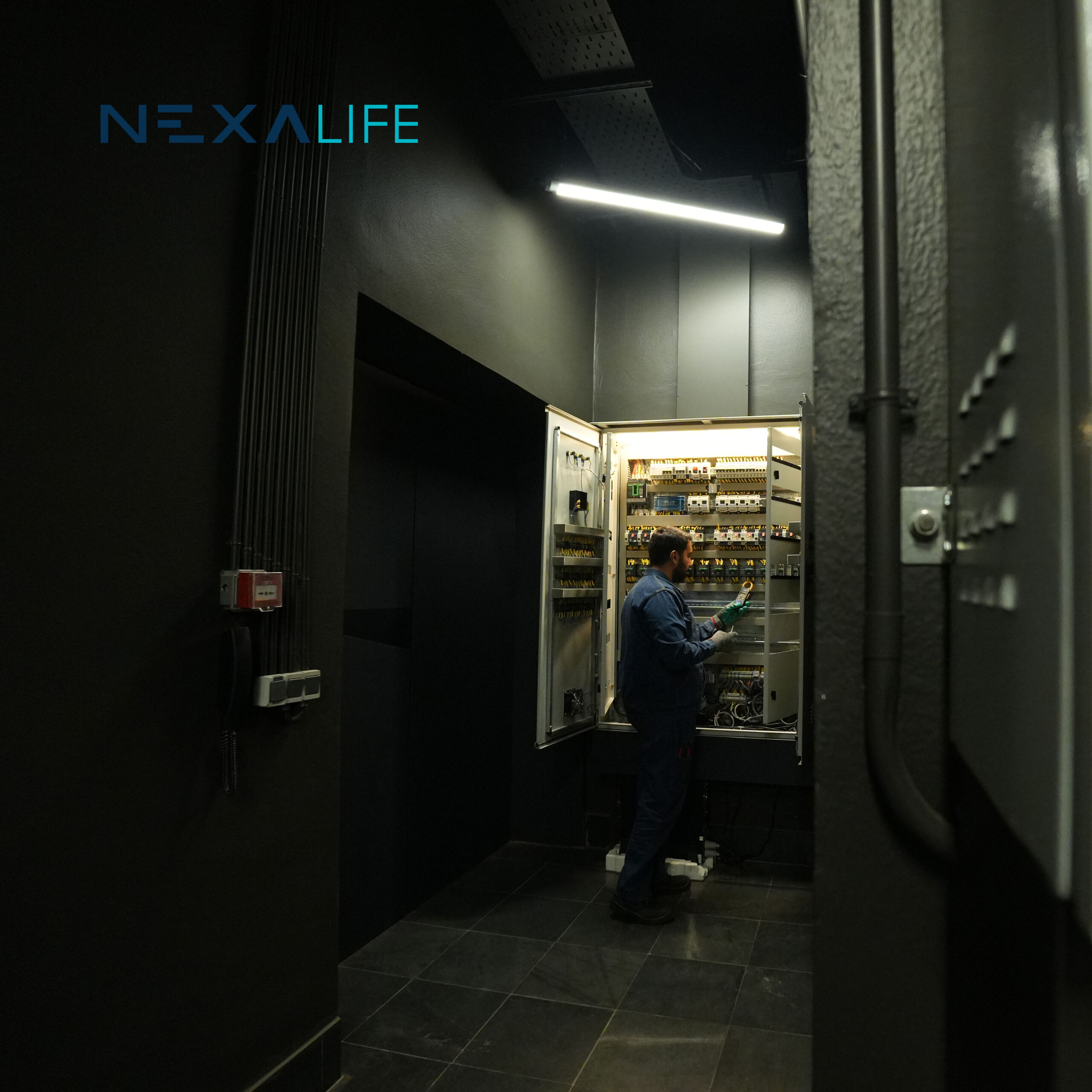
Building maintenance is a combination of planned and reactive activities carried out to ensure the proper functioning of a building’s components. These activities cover mechanical and electrical systems, building services, common areas, and infrastructure.
Its main objectives include:
Extending the useful life of equipment
Reducing unexpected breakdowns
Maintaining residents’ safety and comfort
Controlling long-term repair and maintenance costs
In large buildings, this process typically involves three levels of activity:
Daily Activities
Checking the performance of heating and cooling systems
Responding to residents’ requests
Inspecting lighting and common areas
Checking the security of entrances and equipment
Weekly Activities
Inspecting water systems and checking for leaks
Checking elevators and mechanical equipment
Maintaining landscaping and common areas
Monthly Activities
Periodic servicing of building systems and equipment
Inspecting fire safety and protection systems
Recording and updating maintenance reports
In-House Building Maintenance Management
In an in-house model, a dedicated team within the building or the property management company is responsible for all maintenance activities.
Advantages:
Direct control over staff performance
Quick response in emergency situations
In-depth knowledge of the building and its equipment
Challenges:
High fixed personnel costs
Limited access to a diverse range of technical expertise
High workload in large buildings
This model is generally more suitable for smaller buildings or properties with simpler operational structures.
Outsourcing Building Maintenance
In an outsourcing model, maintenance services are assigned to specialized companies that operate under a contractual agreement.
Advantages:
Access to specialized professionals across various fields
Flexibility in scaling services
Cost optimization based on actual needs
Challenges:
Less direct control over processes
Dependence on the quality of the contracted company
Greater need for coordination and effective management
This model is widely used in large buildings, high-rise towers, and mixed-use developments.
Preventive Maintenance: A Common Principle in Both Models
Whether maintenance is managed in-house or outsourced, preventive maintenance is a fundamental principle.
This approach includes:
Regular servicing of building systems
Routine inspections of safety equipment
Monitoring the performance of critical building systems
Its main advantage is reducing unexpected breakdowns and minimizing emergency repair costs.
Hybrid Model: A Common Approach in Modern Buildings
Many buildings in Iran and around the world have adopted a hybrid model:
An in-house team for daily operations and resident communication
Specialized contractors for technical and complex maintenance services
This model creates a balance between internal control and access to external expertise.
NexaLife’s Role in Building Operations Management
In modern approaches to building operations, simply delivering services is not enough; coordination, quality of experience, and the continuity of building performance are key priorities.
NexaLife focuses on building operations management for residential and commercial properties, aiming to create an integrated service experience where maintenance, services, and resident communication are managed within a structured and controllable framework.
In this model, the goal is not limited to repair and maintenance, but also includes:
Improving the residential experience
Increasing the operational efficiency of the building
Creating greater consistency and organization in daily building services
Conclusion
Both outsourcing and in-house management can be effective approaches to building maintenance, provided that the chosen model aligns with the building’s structure, expectations, and operational requirements.
Experience shows that buildings that manage maintenance as a specialized and ongoing process tend to perform more effectively in controlling costs, maintaining service quality, and extending equipment lifespan. Choosing an efficient management model that fits the building’s specific needs is therefore an important step toward preserving its long-term value and operational efficiency.