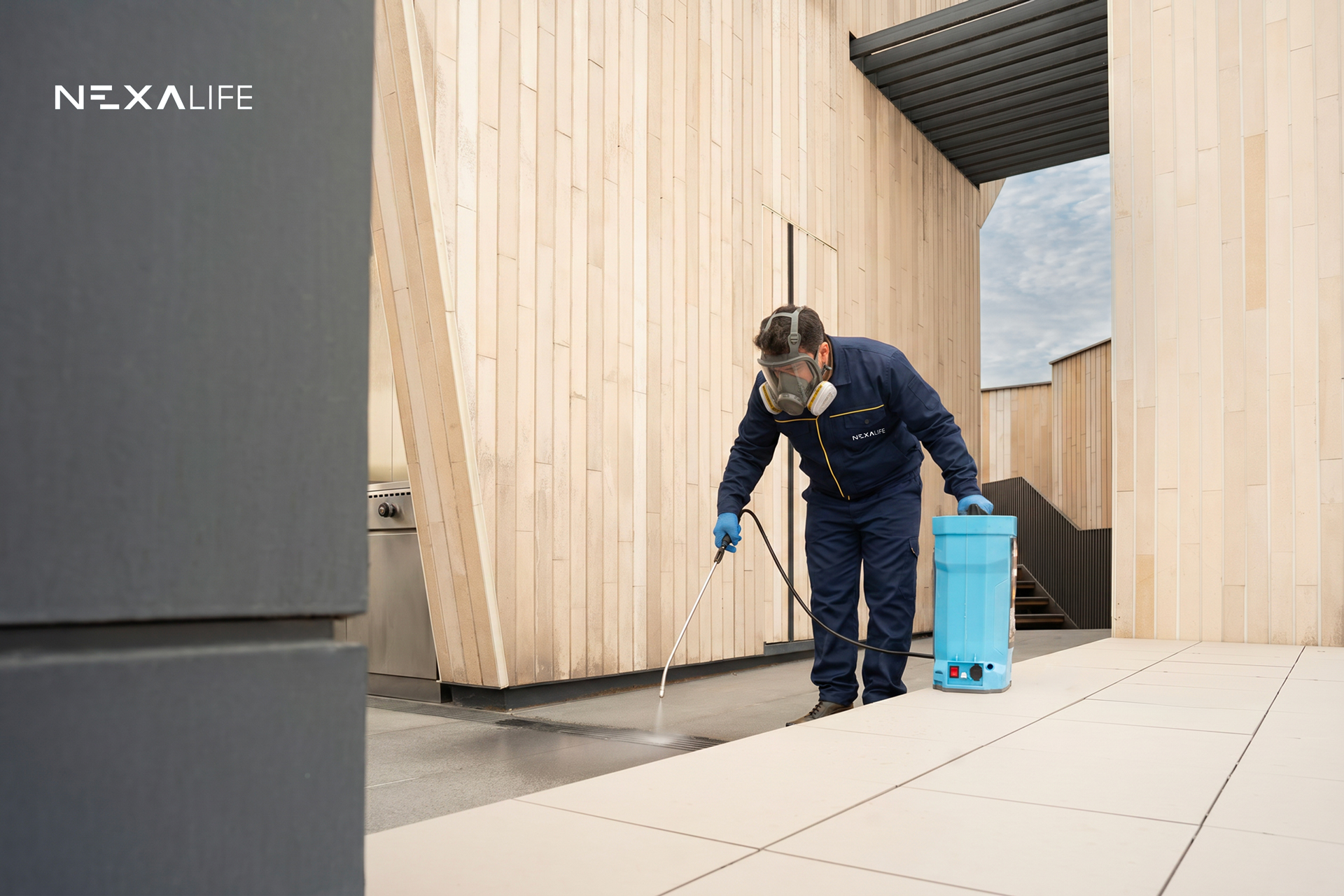
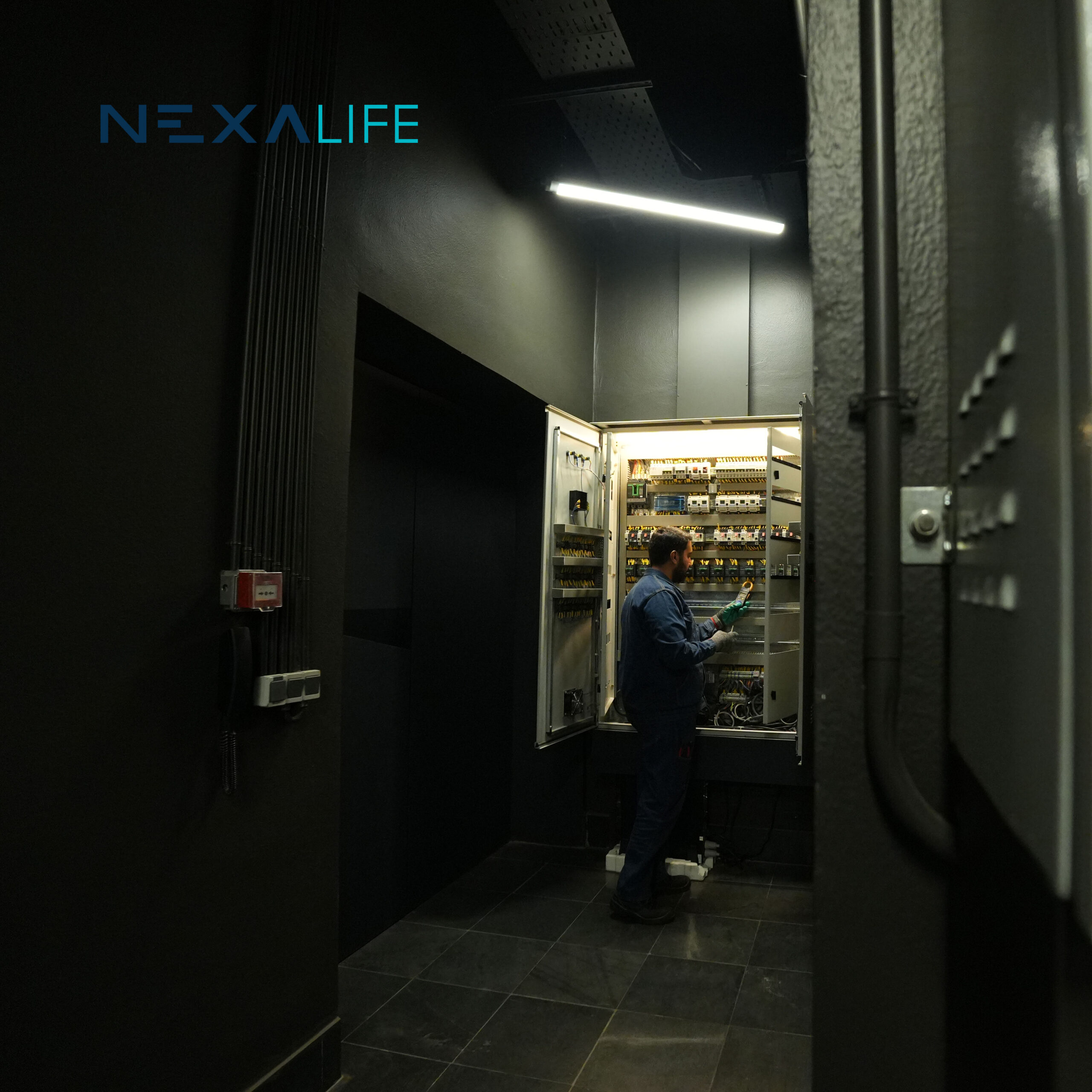
Prevention: The Most Effective Solution
In professional building management, a significant part of operational quality depends on actions taken before problems arise.
Modern building management approaches place special emphasis on continuous monitoring of building conditions, regular assessment of facility systems, and the identification of factors that may lead to future issues. The insights gained through these monitoring processes help determine the necessary preventive measures and reduce the need for costly interventions in the future.
The Role of Details in Building Health
Experience has shown that many pest-related and biological contamination issues are not primarily caused by the presence of pests themselves, but by the conditions that allow them to thrive and persist.
Addressing leaks in pipes and fixtures, controlling moisture levels, keeping drainage systems clear, properly maintaining service areas, and managing waste effectively are among the most important measures for preventing such problems from developing.
For example, a small leak that goes unnoticed for an extended period is more than just a source of water waste. The resulting moisture can create favorable conditions for pests and other forms of biological contamination. Likewise, waste storage areas that are not properly maintained, or shared spaces that are not cleaned regularly, can become sources of environmental contamination within a building.
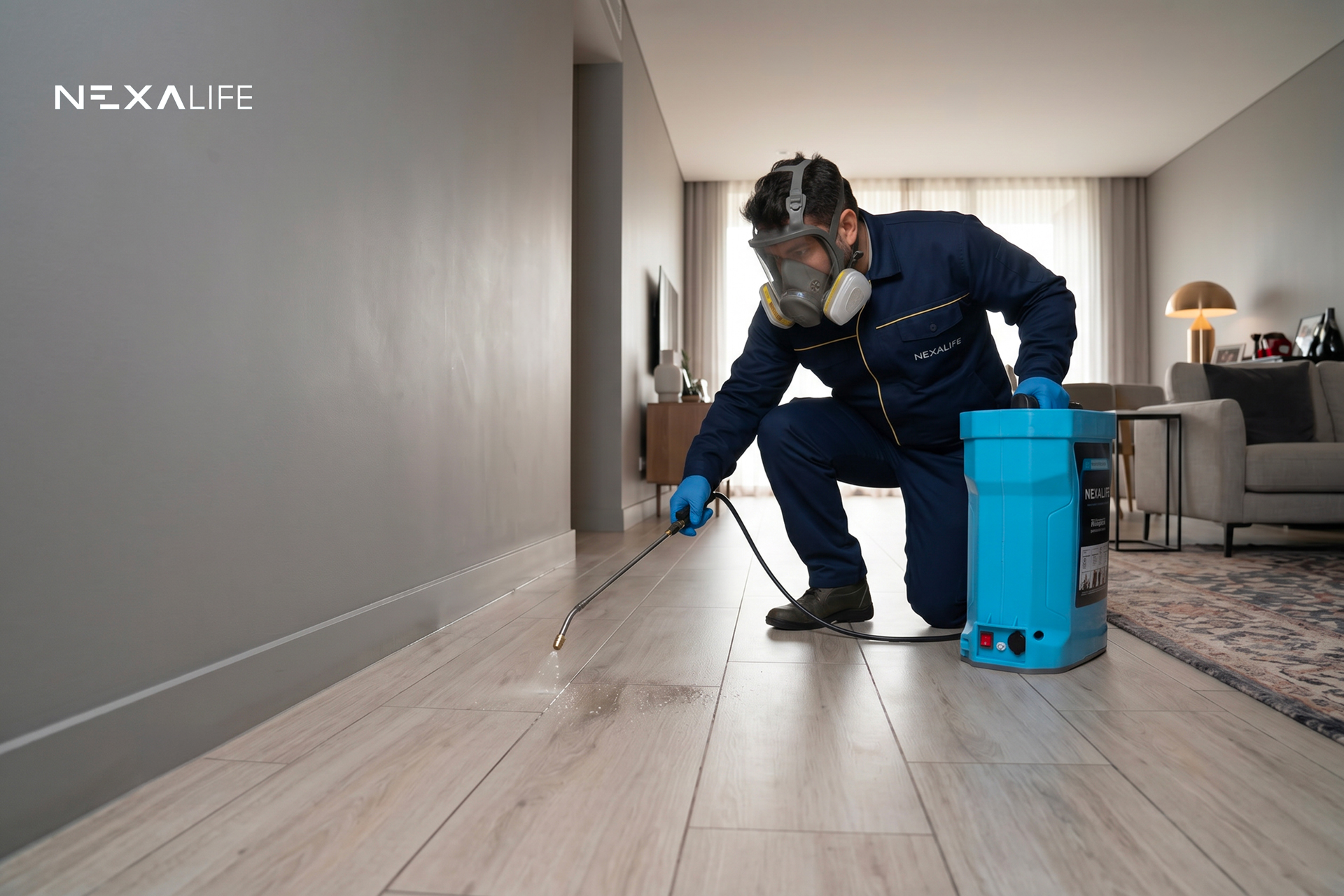
Reduced Need for Chemical Interventions in a Healthy Building
One of the widely accepted principles in pest management is that eliminating sources of water, food, and shelter for pests is far more effective than relying on reactive methods.
When entry points are properly controlled, building cracks and gaps are inspected and addressed, moisture sources are managed, and waste is collected and handled appropriately, many potential issues are resolved before they even emerge.
In such conditions, the need for chemical interventions is significantly reduced—a factor that is important for both residents’ health and alignment with environmental protection principles.
The Seven Core Components of Effective Building Management in Pest Control
- Continuous Monitoring and Inspection
Monitoring refers to periodic assessment of:
- The level of pest presence
- The condition of the building
- Factors that may increase the likelihood of pest activity
Technical and facility maintenance staff often know the building better than anyone else and can identify early signs of infestation.
Key indicators to inspect include:
- Rodent droppings
- Signs of chewing on cables or equipment
- Insect shells and remains
- Potential nesting areas
Electricians, plumbers, carpenters, and other technical personnel should also report any signs of infestation they observe.
- Preventing Pest Entry into the Building
The best defense against pests is preventing their entry.
Recommended measures include:
- Immediate repair of damaged windows and screens
- Sealing cracks and wall openings
- Installing door sweeps under doors
- Keeping entrance doors closed
- Installing mesh on ventilation openings
- Sealing entry points for pipes, cables, and ducts
- Closing empty spaces around building services
Important note: A mouse can pass through an opening as small as a coin.
- Eliminating Water Sources
Water is one of the most significant attractants for pests.
Essential actions include:
- Prompt repair of leaking pipes and fixtures
- Keeping gutters and drainage systems clear
- Preventing water accumulation on roofs and outdoor areas
- Clearing blocked drainage systems
- Replacing moisture-damaged wood
- Insulating pipes prone to condensation
- Emptying buckets and cleaning equipment after use
- Proper Recycling Management
If recyclable waste is not properly managed, it can become a source of food and breeding for pests.
Recommendations:
- Rinse containers before recycling
- Use metal bins where possible
- Regularly clean recycling containers
- Use proper lids and covers
- Ensure timely removal of recyclable materials
- Waste and Garbage Management
To prevent pest attraction:
- Waste containers should be placed on asphalt or concrete surfaces
- They should be kept as far from the building as possible
- The number of bins should match the volume of waste
- Overflowing waste must be avoided
- Waste rooms should be regularly inspected and cleaned
- Pest Reduction Without Chemical Use
In many cases, pest populations can be reduced without the use of chemical substances.
For example:
- Using industrial vacuum cleaners to remove cockroaches
- Using HEPA filters to reduce allergens
Note: Vacuum cleaners should not be used for rodent droppings or nests, as this may release pathogens into the air.
- Engaging Residents’ Cooperation
No successful pest control program can be sustained without resident participation.
Residents should be educated on:
- Proper hygiene practices
- Waste management principles
- Reducing clutter and accumulation of items
- Prompt reporting of pest sightings
Experience from successful facility management projects has shown that resident participation significantly enhances the long-term effectiveness and sustainability of pest control programs.