What Is Building Management and What Role Does It Play in Preserving Property Value?
Imagine two residential complexes in the same neighborhood, with nearly identical construction ages, build quality, and even materials. Just a few years later, one still looks clean, organized, and well-maintained. Its lobby has retained the quality it had in the early days, its building systems operate without major issues, and its common areas convey a clear sense of order and care. The other, by contrast, is dealing with frequent breakdowns, unexpected costs, resident dissatisfaction, and declining appeal among buyers and tenants.
Where does this difference come from?
Many people assume the answer lies in construction quality or the type of materials used. In reality, once construction is complete, another factor takes on an increasingly important role: building management.
After handover, a building enters a new stage in which the quality of its maintenance and operations shapes its future. Mechanical and electrical systems, elevators, safety systems, common areas, and daily services all require planning, supervision, and ongoing attention to maintain their performance. Without these processes, even buildings constructed to the highest standards can gradually experience deterioration, rising maintenance costs, and declining value.
If you have ever wondered why some buildings begin to look run-down only a few years after becoming operational despite their good construction quality, we recommend first reading the article “Why Do Some Buildings Look Run-Down After a Few Years? What Is the Secret to Maintaining Building Quality?”. In that article, we examine the factors that contribute to building deterioration. In this article, we focus on the role of building management in preventing this process.
Professional building management, by taking a long-term approach, aims to identify and address potential issues before they develop into major problems. This approach can help reduce repair and maintenance costs, extend equipment lifespan, improve residents’ quality of life, and preserve property value for owners.
In this article, we explore what building management is, what responsibilities it involves, how it differs from traditional management, and why it is considered one of the key factors in preserving a property’s long-term value.
What Is Building Management?
Building management is a set of planned activities for administering, maintaining, and operating a building or complex. These activities are carried out to maintain equipment performance, improve service quality, manage resources, and preserve the property’s value.
Contrary to common perception, building management is not limited to collecting service charges or coordinating cleaning services. After construction is complete, a building requires continuous care and management, much like a living system. Elevators, mechanical and electrical systems, safety systems, common areas, amenities, and even communication with residents are all part of this process. Without proper planning, the quality of these elements will gradually decline.
For this reason, building management has become a specialized function in modern buildings. It brings together technical knowledge, planning, financial management, and communication skills to help a building maintain optimal performance throughout its operational life.
Short Definition: Building management is a specialized process of planning, maintenance, service delivery, and resource management aimed at maintaining quality, extending the useful life of a building, and protecting the value of owners’ assets.
An important point is that building management is not the same as building operations. Building management focuses on the overall administration and coordination of the building, while building operations are more closely concerned with the day-to-day performance of equipment, building systems, and technical services. The article “What Does Building Operations Mean?” explores this distinction in greater detail.
Objectives of Building Management
The goal of building management is not simply to address day-to-day problems; it is to establish a structured approach to maintaining the building’s quality over the long term. Every decision made in building management should contribute to improving building performance, reducing future costs, and increasing resident satisfaction.
The main objectives of building management include:
Maintaining the building’s quality and performance over time
Extending the useful life of equipment and building systems
Reducing repair costs through preventive maintenance
Creating a safe, organized, and comfortable environment for residents
Optimizing the management of building expenses and financial resources
Preserving and increasing the property’s value in the sales and rental market
In fact, building management is not an additional expense; it is an investment in protecting the asset. Buildings managed through structured planning and professional standards generally experience fewer unexpected costs, more consistent service quality, and greater long-term value for their owners.

What Are the Responsibilities of Building Management?
Once a building becomes operational, it involves dozens of activities every day, from the performance of building systems and elevators to cleaning, security, cost management, and responding to residents’ needs. When these activities are carried out without proper planning and coordination, the building’s quality gradually declines and maintenance costs increase.
Building management creates a structured framework to plan, monitor, and evaluate these activities, helping keep the building in the best possible condition.
The main responsibilities of building management include:
1. Preventive Maintenance and Repairs
One of the most important responsibilities of building management is planning for the preventive maintenance of equipment and building systems.
In many buildings, repairs are carried out only after equipment has failed or a malfunction has developed into a serious problem. This approach, known as reactive maintenance, generally imposes higher costs on the building and may disrupt residents’ daily lives.
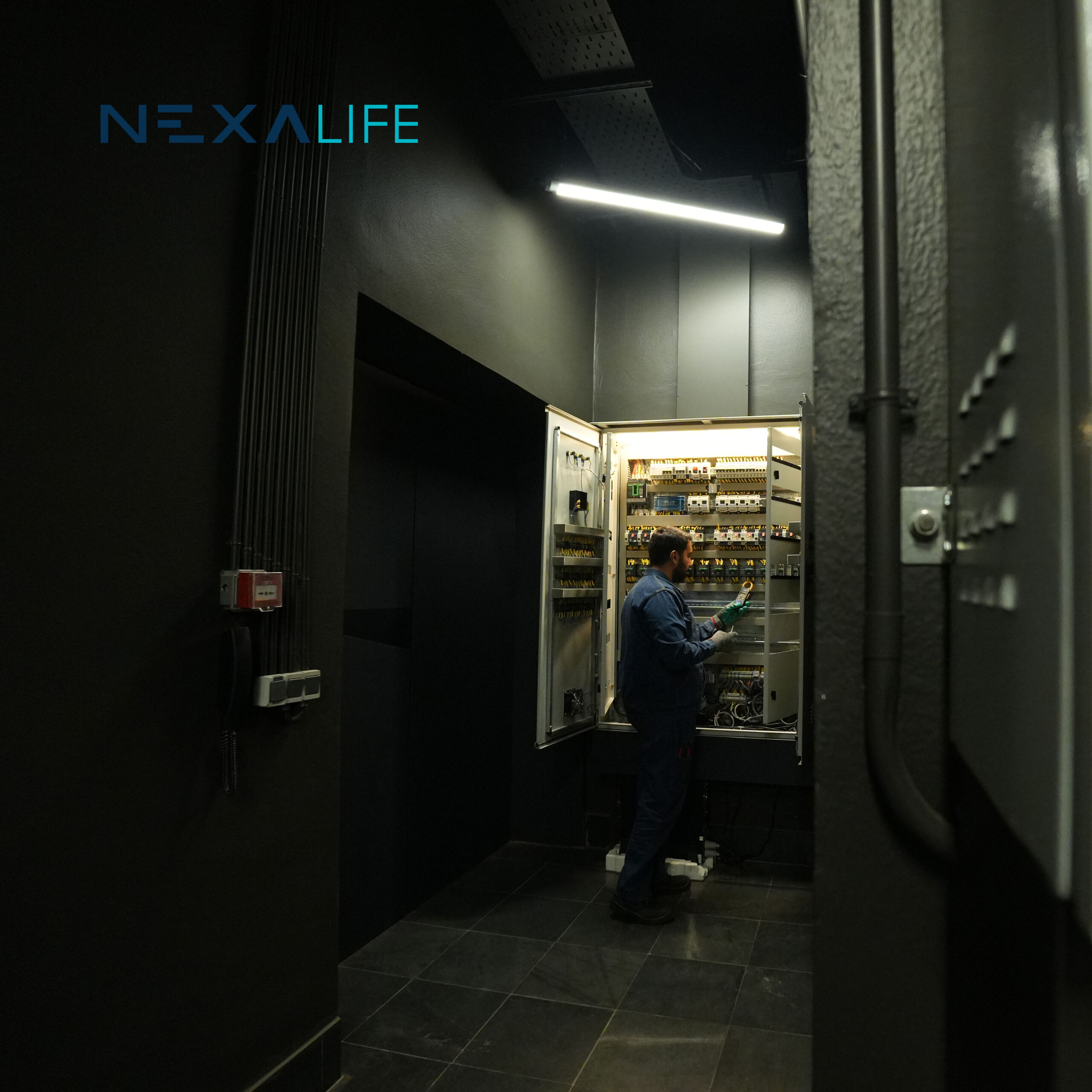
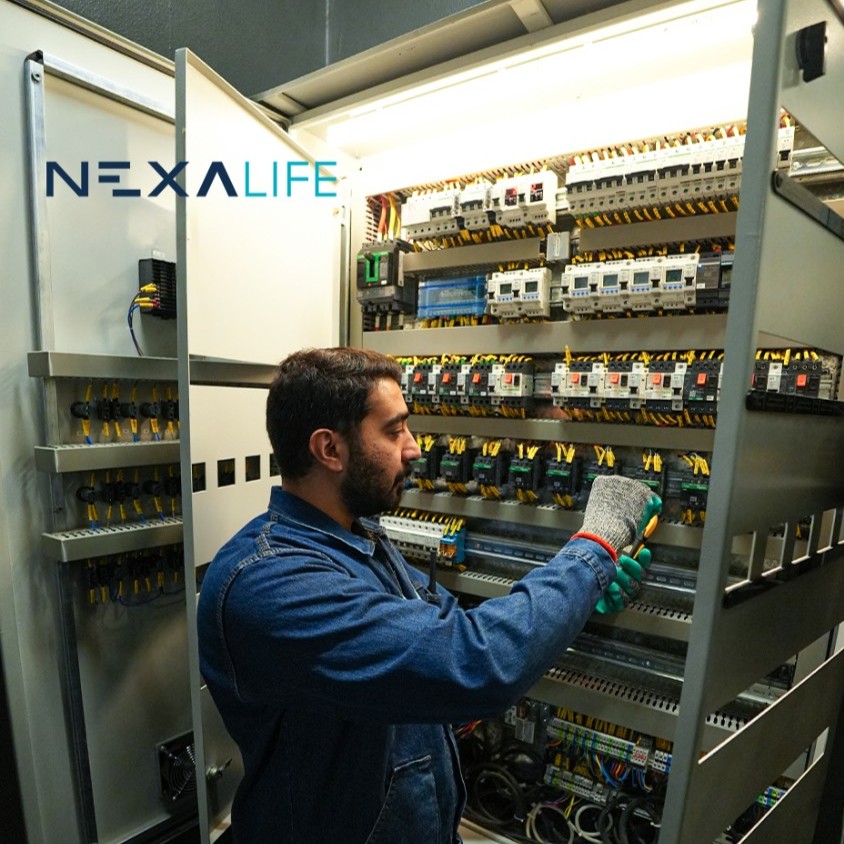
By contrast, professional building management develops periodic inspection, servicing, and repair schedules to identify potential issues before they lead to failures. Regular elevator inspections, mechanical room servicing, heating and cooling system checks, fire detection and suppression equipment inspections, and electrical system maintenance are examples of these activities.
Preventive maintenance not only reduces major repair costs but also extends the useful life of equipment.
2. Financial Management and Cost Control
Building financial management is not limited to collecting service charges.
One of the key responsibilities of a building manager is planning for both current and future expenses. This includes budgeting, cost control, contract management, timely payment of service expenses, and maintaining financial transparency for property owners.
When expenses are managed effectively, the building can implement maintenance and improvement plans without facing sudden financial pressure. In contrast, the absence of proper financial planning often leads to unexpected costs and resident dissatisfaction.
3. Management of Services and Common Areas
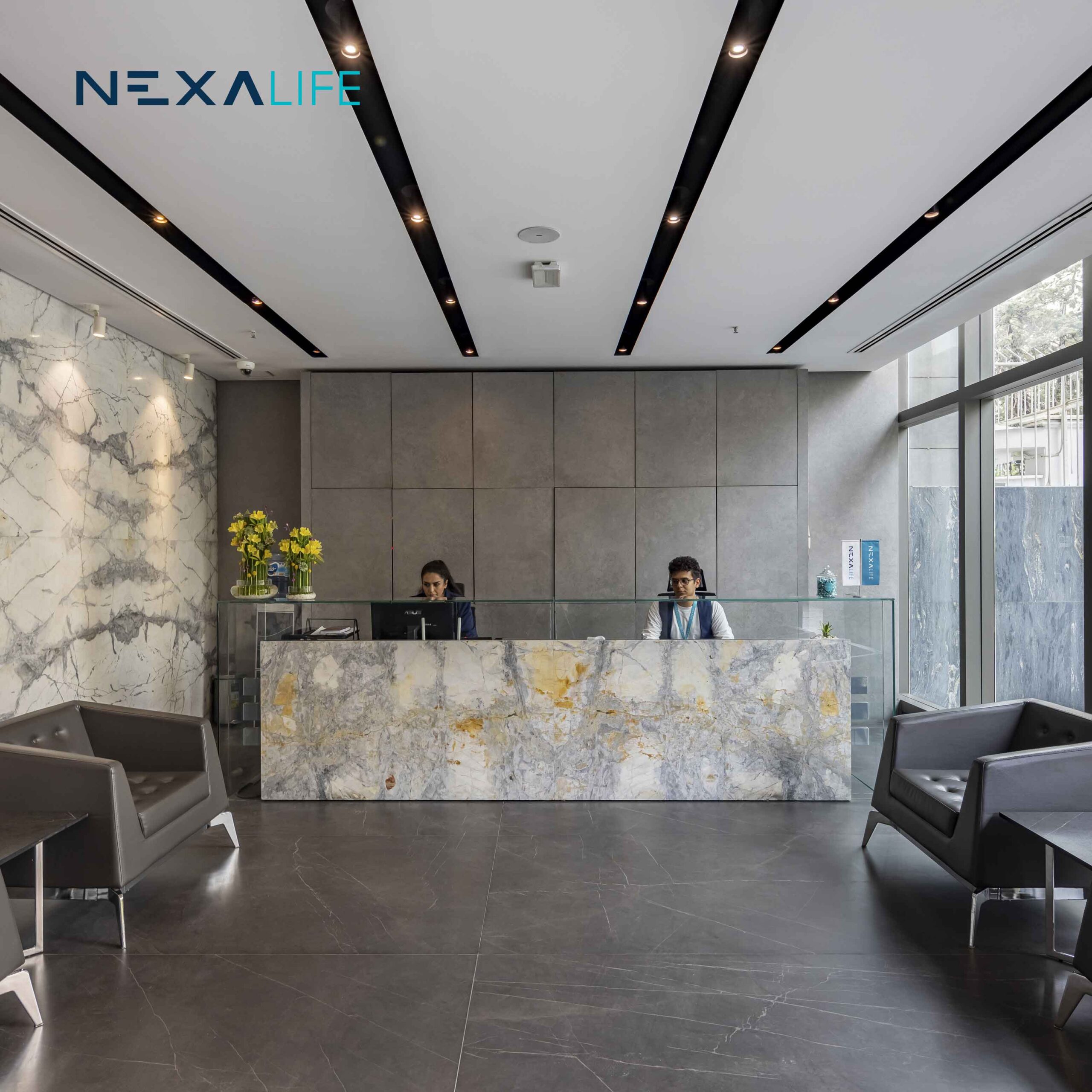
Lobbies, parking areas, corridors, landscaped areas, event halls, swimming pools, gyms, and other shared spaces play an important role in shaping the living experience within a building.
Building management is responsible for planning and overseeing services such as cleaning, landscaping, security, resident amenities, and the maintenance of these spaces.
The quality of common-area maintenance is one of the first things buyers and guests notice when they enter a building, and it has a direct impact on their perception of the overall quality of the property.
4. Contractor and Supplier Management
A significant portion of building services is provided by various companies and contractors, ranging from elevator and building systems maintenance to cleaning, landscaping, security, and technical services.
One of the key responsibilities of building management is selecting the right contractors, evaluating their performance, managing contracts, and ensuring that services are delivered properly.
Choosing the lowest-cost contractor is not always the best decision. Professional building management aims to strike a balance between service quality, cost, and the long-term durability of equipment.
5. Safety and Emergency Management
Safety is one of the most important responsibilities of building management.
Inspecting fire detection and suppression systems, checking emergency exits, training staff, inspecting safety equipment, managing risks, and preparing emergency response plans are among the measures that play an important role in protecting residents and reducing potential damage.
A building that is properly managed from a safety perspective provides residents with greater peace of mind and is better prepared to respond effectively when emergencies occur.
6. Resident Communication and Living Experience Management
Building management is not limited to equipment and building systems; a significant part of it involves managing communication with residents.
Responding to requests, providing timely and appropriate support, maintaining clear communication, managing complaints, coordinating services, and fostering constructive interaction among residents all play an important role in improving satisfaction and the quality of life within the building.
In professionally managed buildings, resident experience is considered one of the key indicators for evaluating management performance.
7. Planning to Preserve Building Value
Perhaps the most important responsibility of building management is taking a long-term view of the owners’ assets.
Every decision made today regarding equipment maintenance, budgeting, repairs, or service quality can affect the building’s value years later. For this reason, professional building management does not focus solely on resolving day-to-day issues; it also involves planning to preserve the building’s quality over the years ahead.
A well-managed building will generally have a better-maintained appearance, more reliable equipment, more predictable costs, and stronger value in the sales and rental market.
Why does building management help preserve property value?
For many people, a property’s value comes down to factors like its location, build quality, or amenities. These factors matter a great deal, but they’re only part of the picture. A building that isn’t properly maintained after handover gradually loses its quality, and that loss directly affects its market value.
Building management is the link between build quality and quality over time. If that link fails, even the best projects will face rising repair costs, worn-out equipment, and declining resident satisfaction in the years that follow.
Below, we look at the main reasons professional management helps preserve, and even increase, a building’s value.
1. Reducing depreciation of the building and its equipment
Every component of a building, from the elevators and mechanical room to the heating and cooling systems and electrical equipment, has a defined lifespan. But that lifespan doesn’t depend on build quality alone; how the equipment is maintained plays a decisive role.
Periodic inspections, regular servicing, and dealing with small faults before they turn into major breakdowns slow the rate at which the building depreciates. As a result, equipment performs better, and there’s no need for replacements or major repairs at short intervals.
This not only reduces maintenance costs but also keeps the building’s appearance and overall quality at a desirable level.
2. Preventing heavy costs in the future
One hallmark of professional management is a preventive mindset.
For example, fixing a small leak in the building’s utilities might take nothing more than a simple service call. But if the same problem is ignored, it can lead to damaged walls, harm to equipment, and costs several times higher.
The same applies to elevators, electrical systems, safety equipment, and the mechanical room. Timely attention prevents major damage and significantly reduces the building’s long-term costs.
3. Increasing resident satisfaction and quality of life
A building’s value isn’t limited to its technical specifications; the experience of living in it matters a great deal too.
A building with clean common areas, regular services, adequate security, and quick responses to residents’ requests offers a calmer, more pleasant place to live. This positive experience raises resident satisfaction and reduces turnover.
From the market’s perspective as well, buildings with higher-quality management are usually more attractive to buyers and tenants.
4. Preserving the building's appearance and identity
The first impression of a building forms before anyone steps inside a unit.
The facade, lobby, landscaping, parking, corridors, and other shared spaces give a picture of how well the building is maintained. If these areas are clean, sound, and orderly, the building keeps its value and reputation even after several years.
By contrast, visible wear, poor lighting, broken equipment, or disorder in the common areas can create a negative impression of the whole building, even if the units themselves are technically of good quality.
5. Increasing the trust of buyers and tenants
These days, buyers don’t look only at square footage, the number of rooms, or a building’s amenities. They also care about the quality of its management.
A clear maintenance plan, transparency in costs, well-functioning utilities, and general order in the building are signs that build trust and make the decision to buy or rent easier.
For this reason, professionally managed buildings are usually more competitive in the market and hold their value better.
From NexaLife's perspective
At NexaLife, building management isn’t limited to day-to-day tasks. We see it as a continuous process of maintaining the building’s quality, extending the useful life of its assets, and improving residents’ living experience.
This approach is built on planning, preventive maintenance, service quality control, and attention to the details that ultimately help preserve the building’s value over the long term.
Conclusion
Building management is an approach to maintaining a building’s quality, extending the useful life of its equipment, and protecting the value of owners’ investment. A building run with planning, preventive maintenance, and professional management will cost less over the long term, give residents a better experience, and hold its place in the market.
Choosing the right model for managing and maintaining a building is just as important. Many owners and building managers face the question of whether forming an in-house team is the better choice or whether to hand this responsibility to a specialized company.
If this question applies to you too, we suggest reading the article Outsourcing Building Maintenance or an In-House Team? Which Is the Better Choice?, where we examine the advantages, limitations, and selection criteria of each approach in full.